In our fast-paced world, the importance of nurturing skills through hands-on teaching materials cannot be overstated.
Whether in a classroom, at home, or in community programs, engaging with tangible resources encourages a deeper connection to learning.
These materials not only enhance understanding but also foster creativity and critical thinking.
By incorporating hands-on experiences, we can make learning a joyful adventure.
The beauty of hands-on teaching materials lies in their versatility. From colorful building blocks to intricate science kits, these tools can cater to various learning styles and age groups. For young children, simple activities like sorting shapes or counting with physical objects can instill foundational skills. As they manipulate these materials, they begin to understand concepts in a way that is both enjoyable and memorable.
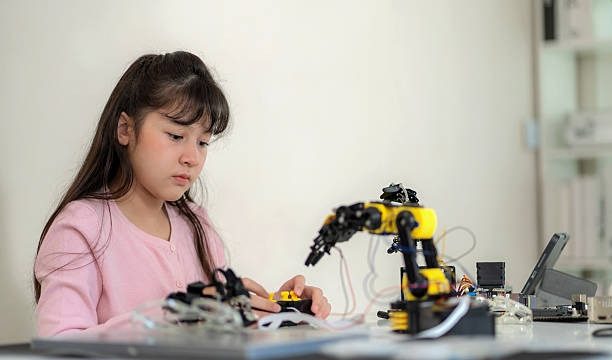
For older students, the landscape of hands-on learning expands beautifully. Consider the world of robotics and coding. Educational kits that allow students to build and program their own robots not only make technology accessible but also ignite curiosity. These experiences encourage problem-solving and collaboration, as students often work in teams to tackle challenges and share ideas. The thrill of watching a robot perform a task that they engineered is a powerful motivator, reinforcing the idea that learning can be both fun and fulfilling.
Transitioning to the world of arts and crafts, we find another realm where hands-on materials shine brightly. Engaging with various mediums—be it clay, paint, or textiles—allows individuals to express themselves creatively. These activities can be particularly therapeutic, providing an outlet for emotions and fostering mindfulness. As one kneads dough or paints a canvas, the stress of daily life often fades, making space for reflection and self-discovery.
Another significant aspect of hands-on teaching materials is their role in promoting social skills. Group activities involving shared resources encourage communication and teamwork. Children learn to negotiate and collaborate, developing vital interpersonal skills that will serve them well throughout their lives. In a world that increasingly values collaboration, these lessons are invaluable.
Incorporating nature into hands-on learning can also yield remarkable benefits. Gardening, for example, is a delightful way to connect with the environment while developing responsibility and patience. Children who plant seeds and nurture them into thriving plants gain firsthand knowledge about life cycles and ecosystems. Such experiences can instill a sense of stewardship for the planet, encouraging future generations to respect and protect the natural world.
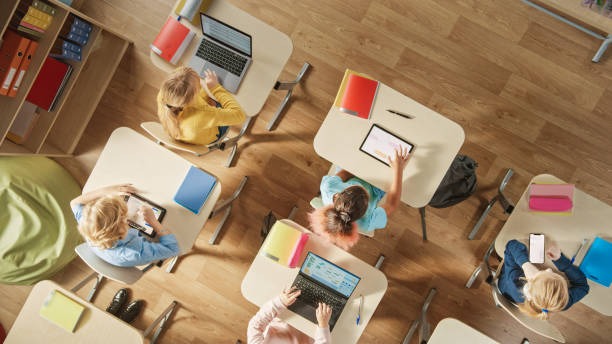
As we explore the many facets of hands-on teaching materials, it’s essential to acknowledge the role of technology. While traditional methods have their place, the integration of digital tools can enhance the learning experience. Interactive apps and virtual simulations can complement physical materials, providing diverse avenues for exploration. The key lies in finding a harmonious balance between screen time and tactile experiences, ensuring that learning remains engaging and multifaceted.
The journey of skill development through hands-on teaching materials is not confined to formal education settings. At home, parents and guardians can create enriching environments that stimulate curiosity. Simple activities like cooking together can teach measurements, following instructions, and even cultural appreciation. Baking a cake, for instance, becomes an engaging lesson in math and science, all while creating cherished memories.
Community programs also play a pivotal role in skill development. Workshops that focus on crafting, woodworking, or even coding can bring people together, fostering a sense of belonging. These gatherings often inspire creativity and collaboration, allowing participants to share their unique skills and perspectives. The beauty of learning in a community setting is that it encourages individuals to step outside their comfort zones, discovering new interests and talents along the way.
As we reflect on the impact of hands-on teaching materials, it’s clear that they serve as bridges to deeper understanding and connection. They transform abstract concepts into tangible experiences, making learning accessible and enjoyable for all. In a world that can sometimes feel overwhelming, these materials remind us that education can be a delightful journey filled with exploration and discovery.
In conclusion, embracing hands-on teaching materials for skill development is a gentle invitation to explore the world around us. Whether through art, science, nature, or technology, these resources empower individuals to engage, create, and connect. As we nurture curiosity and foster creativity, we not only enhance learning but also cultivate a sense of wonder that can last a lifetime. So let us celebrate the joy of hands-on experiences, allowing them to guide us on our lifelong learning journeys.