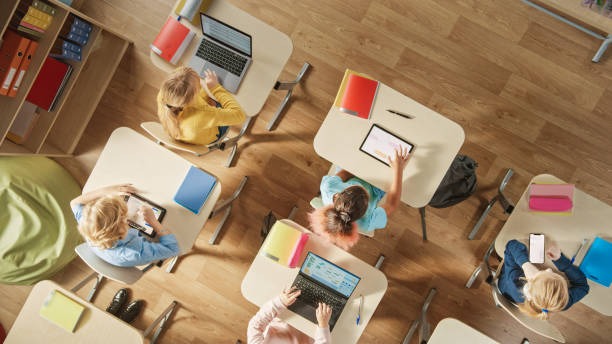
Creating an engaging classroom environment is essential for fostering student participation.
When learners feel included and valued, they are more likely to express their thoughts, ask questions, and contribute to discussions.
As educators, we have the opportunity to implement strategies that encourage this active involvement, creating a vibrant community of learning.
One of the simplest yet most effective strategies is to cultivate an atmosphere of trust and respect. When students feel safe to share their ideas, they are more likely to participate actively. This can begin with establishing ground rules that promote respectful dialogue. Encouraging students to listen to one another without interruption and to appreciate diverse perspectives can lay the groundwork for a supportive classroom culture. As the teacher, modeling this behavior can set a powerful example, demonstrating to students the value of mutual respect.
Another approach is to incorporate collaborative learning experiences. Group activities allow students to engage with one another, share their thoughts, and learn from different viewpoints. Whether it’s through small group discussions, peer teaching, or project-based learning, collaboration encourages students to take ownership of their learning journey. By working together, they not only deepen their understanding of the material but also develop essential social skills that will benefit them beyond the classroom.
A gentle shift toward balance can also be achieved by integrating technology into the learning experience. Tools such as interactive polls, discussion boards, or educational apps can create opportunities for students to participate in ways that feel comfortable for them. For instance, some students may feel shy about speaking up in front of the entire class but may thrive in a digital space where they can share their thoughts anonymously. This blend of traditional teaching methods with modern technology can cater to diverse learning styles and encourage broader participation.
In addition to technology, incorporating hands-on activities can significantly enhance engagement. When students can physically interact with the material—through experiments, art projects, or role-playing scenarios—they are more likely to connect with the content. These activities not only make learning enjoyable but also allow students to express their understanding in creative ways. By offering varied methods of participation, educators can tap into the unique strengths and interests of each student.
Creating a sense of ownership in the classroom can also foster greater participation. When students are given choices in their learning, whether it’s selecting a project topic or deciding how to present their findings, they are more likely to feel invested in the process. This autonomy can spark enthusiasm and encourage them to take initiative. Allowing students to lead discussions or share their insights on a subject can empower them and make them feel like valued contributors to the learning environment.
Encouraging reflection is another gentle yet powerful strategy. Taking the time to pause and reflect on what has been learned can deepen understanding and encourage students to articulate their thoughts. This can be done through journaling, group discussions, or even one-on-one check-ins. When students are prompted to consider their learning experiences, they are more likely to engage with the material and with each other in meaningful ways.
Moreover, it’s important to recognize and celebrate small victories. Acknowledging students’ contributions, whether through verbal praise or simple gestures of appreciation, can boost their confidence and motivate them to continue participating. Creating a classroom environment that celebrates progress, rather than just focusing on outcomes, can foster a growth mindset. When students see that their efforts are valued, they are more likely to take risks and engage actively.
Incorporating real-world connections can also enhance student participation. By linking lessons to current events, personal experiences, or community issues, students can see the relevance of their education. This connection can spark curiosity and drive discussions that are rich and meaningful. When students understand how their learning relates to the world around them, they are more likely to contribute their perspectives and insights.
Lastly, fostering a sense of community can greatly influence student participation. Organizing team-building activities or class rituals can help students bond and feel more connected to one another. When students feel like they are part of a community, they are more inclined to share their thoughts and engage in conversations. This sense of belonging can transform the classroom into a supportive space where everyone feels valued.
In conclusion, encouraging student participation in the classroom is a multifaceted endeavor that requires thoughtfulness and creativity. By creating a trusting environment, incorporating collaborative and hands-on learning, utilizing technology, and fostering reflection, educators can cultivate a vibrant community of active learners. Emphasizing student ownership, celebrating achievements, making real-world connections, and building a sense of community can further enhance participation. Ultimately, it’s about nurturing an atmosphere where every student feels empowered to share their voice and contribute to the collective learning experience. With these strategies in place, classrooms can become not just places of instruction, but thriving hubs of engagement and connection.