In recent years, the conversation around education has increasingly centered on the importance of fostering inclusive environments where every student feels valued and heard.
Formative assessment has emerged as a gentle yet powerful approach to achieving this goal.
By focusing on the process of learning rather than merely the end result, educators can create a collaborative atmosphere that nurtures the diverse needs of all students.
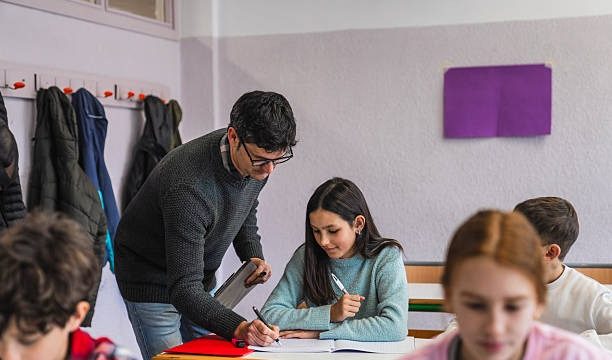
The essence of formative assessment lies in its ability to provide ongoing feedback. This feedback is not just about grades or scores, but rather about understanding where students are in their learning journey. It’s a tool that allows teachers to gauge comprehension and adjust their methods accordingly, ensuring that no student is left behind. This approach is particularly beneficial in inclusive classrooms, where students come from varied backgrounds and possess different learning styles.
Creating a nurturing space for learning begins with establishing trust. Students are more likely to engage openly in formative assessments when they feel safe and supported. This involves encouraging a culture that accepts mistakes as part of the learning process. When students understand that their contributions are valued, they are more inclined to participate in discussions, share ideas, and collaborate with their peers.
A small shift toward balance can make a significant difference in how students perceive assessments. Instead of viewing them as high-stakes evaluations, educators can frame formative assessments as opportunities for growth. This can be as simple as integrating low-pressure quizzes, reflective journals, or group projects that allow students to express their understanding in various formats. By doing so, teachers can cater to different strengths and preferences, ensuring that each student has a voice.
Collaboration is at the heart of effective formative assessment. When students work together, they not only learn from each other but also develop essential social skills. Encouraging group work fosters a sense of community, where students can share their knowledge and support one another. This can be particularly impactful in inclusive classrooms, where peer interactions often help bridge gaps in understanding. As students explain concepts to one another or tackle challenges as a team, they reinforce their own learning while building empathy and respect for their classmates.
Listening is a powerful aspect of formative assessment. Teachers who actively listen to their students can gain valuable insights into their thought processes and emotional states. This understanding allows educators to tailor their feedback and support to meet individual needs. By inviting students to share their thoughts and feelings about the learning material, teachers can create a more responsive educational environment. This dialogue not only enriches the learning experience but also makes students feel seen and appreciated.
Incorporating technology can also enhance formative assessment practices, making learning more engaging and interactive. Digital tools offer innovative ways for students to demonstrate their understanding, whether through online quizzes, collaborative platforms, or multimedia presentations. These resources can be particularly helpful in inclusive classrooms, where accessibility features can support diverse learners. By embracing technology, educators can foster creativity and adaptability, empowering students to take ownership of their learning journey.
Reflection is another vital component of formative assessment. Encouraging students to think about their learning experiences can deepen their understanding and enhance their motivation. Simple practices, such as journaling or group discussions about what worked well and what could be improved, can encourage self-awareness and responsibility. When students reflect on their progress, they are more likely to recognize their strengths and identify areas for growth, ultimately leading to a more fulfilling educational experience.
As we navigate the complexities of modern education, it is essential to remember that our goal is not only to impart knowledge but to cultivate an inclusive community where every student feels empowered to thrive. Formative assessment is a gentle guide that can help educators achieve this vision. By focusing on collaboration, trust, and reflection, teachers can create an environment that celebrates diversity and fosters a love of learning.
Inclusion is not merely a checkbox; it is a mindset that requires ongoing commitment and adaptation. By embracing formative assessment as a core practice, educators can continuously refine their approaches to meet the needs of their students. This dedication to growth—both for students and teachers—can lead to transformative experiences that extend beyond the classroom.
In conclusion, formative assessment serves as a bridge that connects students, educators, and the curriculum in meaningful ways. By prioritizing collaboration and inclusivity, we can create classrooms where every student feels valued and inspired to learn. As we continue to explore and implement these practices, we can foster a rich educational landscape that honors the unique contributions of each individual. This journey may be filled with challenges, but with compassion and creativity, we can build a future where every learner flourishes.