In the ever-evolving landscape of education, the call for innovative teaching practices has never been more pronounced.
As educators, we find ourselves at the intersection of tradition and transformation, where the need to engage and inspire students is paramount.
One of the most compelling avenues for this transformation lies in the realm of formative assessment.
By creatively harnessing formative assessment, teachers can foster a more vibrant and responsive classroom environment that not only enhances learning but also nurtures a deeper connection between students and their educational journey.
A gentle shift toward understanding formative assessment reveals its true potential. Unlike traditional assessments that often serve as a final gauge of student learning, formative assessments are ongoing and dynamic. They provide educators with insights into students’ understanding, allowing for adjustments in teaching and learning strategies. This approach is rooted in the belief that assessment should be a tool for growth, rather than a mere measure of achievement.
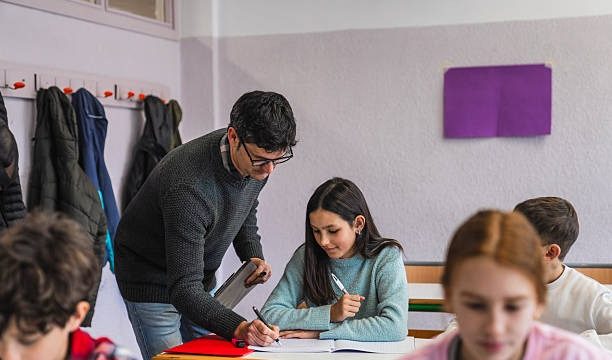
Imagine a classroom where students are encouraged to express their thoughts and questions freely. This is the essence of creative formative assessment. By incorporating diverse methods such as peer feedback, self-assessments, and interactive discussions, teachers can create an atmosphere where students feel safe to explore their ideas and challenge their understanding. This not only fosters a sense of ownership over their learning but also cultivates critical thinking skills that are essential for lifelong success.
Cultivating a supportive learning environment is key to the effectiveness of formative assessment. When students know their voices are valued, they are more likely to engage wholeheartedly in the learning process. This can be achieved through activities that invite collaboration and creativity. For instance, group projects that require students to work together can serve as a rich source of formative assessment. As they navigate challenges and celebrate successes together, teachers gain valuable insights into individual and collective learning.
Another beautiful aspect of creative formative assessment is its adaptability. Each classroom is unique, filled with diverse learners who bring their own experiences and perspectives to the table. By tailoring assessment methods to suit the needs of the students, educators can ensure that every voice is heard. This might mean using technology to create interactive quizzes or utilizing art and storytelling to allow students to express their understanding in a way that resonates with them. Such approaches not only make learning more enjoyable but also deepen comprehension.
As we explore the transformative power of formative assessment, it’s important to acknowledge the role of feedback. Thoughtful, constructive feedback can be a catalyst for growth, guiding students on their learning journey. Rather than merely pointing out what needs improvement, feedback should be framed as an opportunity for development. Encouraging students to reflect on their work and set personal goals can empower them to take charge of their learning. This shift from a teacher-centered to a student-centered approach not only enhances engagement but also nurtures resilience and self-efficacy.
Incorporating creativity into formative assessment can also help bridge the gap between subjects. For example, integrating art into a science project can allow students to express their understanding in a multifaceted way. When students are encouraged to draw, create, or perform, they often discover connections between concepts that they might not have seen otherwise. This holistic approach not only enriches their learning experience but also makes it more memorable.
As we consider the implementation of creative formative assessment, it’s essential to remember the importance of reflection—both for students and educators. Taking time to reflect on what worked and what didn’t can lead to meaningful insights that inform future practice. Educators can model this process by sharing their own reflections with students, creating an environment where continuous improvement is valued and celebrated.
The journey toward transforming teaching practices through creative formative assessment is not without its challenges. It requires a willingness to step outside of traditional comfort zones and embrace a mindset of exploration. However, the rewards are profound. By prioritizing student engagement and understanding, educators can foster a classroom culture that emphasizes growth, curiosity, and a passion for learning.
In a world that often feels fast-paced and outcome-driven, creative formative assessment offers a refreshing perspective. It invites educators to slow down, listen, and adapt to the needs of their students. This approach not only enhances academic performance but also nurtures the emotional and social development of learners. In doing so, we create not just successful students, but well-rounded individuals who are prepared to navigate the complexities of the world beyond the classroom.
As we continue to embrace the possibilities of creative formative assessment, let us remember the power of connection. By building strong relationships with our students and fostering a sense of community, we can create an environment where learning flourishes. The transformation of teaching practices is not merely about implementing new strategies; it is about cultivating a mindset that values growth, creativity, and the unique contributions of every student.
Ultimately, the journey of transforming teaching practices through creative formative assessment is an ongoing process. It invites educators to continually reflect, adapt, and innovate. By embracing this journey, we not only enhance our own teaching but also empower our students to become active participants in their learning. In this way, we pave the way for a brighter, more inclusive future in education—one where every student has the opportunity to shine.