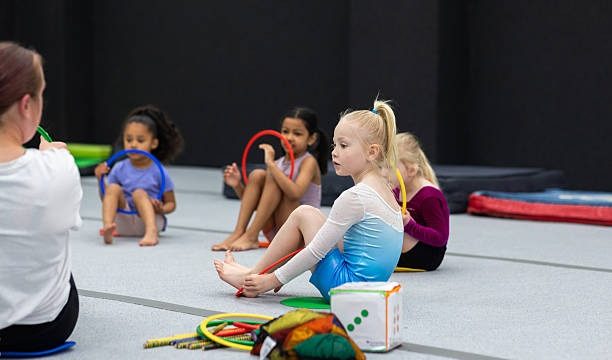
In today’s educational landscape, the journey of learning is more important than the destination.
As educators, parents, and mentors, we hold the key to fostering a nurturing environment where students can thrive.
One effective way to encourage this growth is through positive formative assessment strategies.
Rather than merely evaluating student performance, these strategies focus on understanding and enhancing their learning processes, paving the way for a more holistic educational experience.
The essence of formative assessment lies in its formative nature. It’s not just about assigning grades or ranking students; it’s about providing ongoing feedback that helps them reflect on their learning journey. This feedback can be a gentle nudge, steering students toward their goals while celebrating their progress along the way. The focus shifts from what students lack to what they have accomplished, creating a positive learning atmosphere.
Creating a supportive environment begins with establishing trust. Students who feel safe and valued are more likely to engage in the learning process. When they know that their efforts will be acknowledged and that mistakes are merely stepping stones toward improvement, they are more inclined to take risks and explore their capabilities. Building this foundation of trust can start with simple gestures, such as actively listening to their thoughts and validating their feelings. A warm smile or a few encouraging words can make a world of difference.
Another essential aspect of formative assessment is the power of feedback. Feedback should be constructive, specific, and timely. It’s not enough to say, “Good job” or “Try harder.” Instead, consider offering insights that guide students toward understanding their strengths and areas for growth. For instance, if a student excels in a particular subject, highlighting specific skills they demonstrated can reinforce their confidence. Conversely, when they encounter challenges, framing feedback in a way that emphasizes potential for improvement can inspire resilience. This kind of supportive dialogue transforms the feedback process into a collaborative experience rather than a judgmental one.
Encouraging self-reflection is another gentle yet powerful strategy. When students take the time to think about their learning experiences, they become more aware of their progress and challenges. Promoting self-reflection can be as simple as asking open-ended questions. For instance, after completing an assignment, you might ask, “What part of this project did you enjoy the most?” or “What would you do differently next time?” This practice not only fosters critical thinking but also empowers students to take ownership of their learning. It shifts the focus from external validation to internal motivation, allowing them to appreciate their unique learning journey.
Incorporating peer assessments can also enrich the formative assessment process. When students evaluate each other’s work, they gain insights into different perspectives while developing their analytical skills. This practice can be approached with care, ensuring that it remains a positive experience. Encouraging students to provide constructive feedback to their peers cultivates a sense of community and support. They learn to celebrate each other’s successes and offer help where needed, reinforcing the idea that education is a collaborative effort.
As we explore various strategies, it’s vital to remember that formative assessment is not a one-size-fits-all approach. Each student brings their own unique strengths, weaknesses, and learning styles to the table. Adapting assessment strategies to meet these diverse needs can create a more inclusive environment. For instance, some students may thrive in group discussions, while others might prefer written reflections. By offering a variety of assessment methods, educators can cater to different learning preferences, ensuring that all students have the opportunity to shine.
Creating a culture of goal-setting can further enhance student progress. Encouraging students to set personal learning goals fosters a sense of direction and purpose. These goals can be small and achievable, allowing students to experience success along the way. Regularly revisiting these goals and celebrating milestones reinforces their commitment to learning. When students see that their efforts lead to tangible results, it boosts their confidence and motivates them to continue striving for improvement.
As we embrace these formative assessment strategies, it’s essential to reflect on our own practices as educators. Continuous professional development and collaboration with colleagues can provide fresh perspectives and innovative ideas. Engaging in discussions about effective assessment strategies not only enhances our teaching methods but also creates a supportive community of educators committed to student success.
Ultimately, the heart of positive formative assessment lies in our ability to connect with students on a human level. By fostering trust, providing constructive feedback, and promoting self-reflection, we can create an environment where students feel empowered to explore their potential. As we celebrate their progress, no matter how small, we remind them that learning is a journey, not a race. In this nurturing atmosphere, students can flourish, discover their passions, and develop the skills they need to navigate the world beyond the classroom.
In conclusion, encouraging student progress through positive formative assessment strategies is a transformative practice that benefits not only the students but also the educators guiding them. By focusing on growth, fostering a supportive environment, and celebrating achievements, we can cultivate a love for learning that lasts a lifetime. As we embark on this journey together, let’s remember that every step taken, every challenge faced, and every success celebrated contributes to the beautiful tapestry of education.