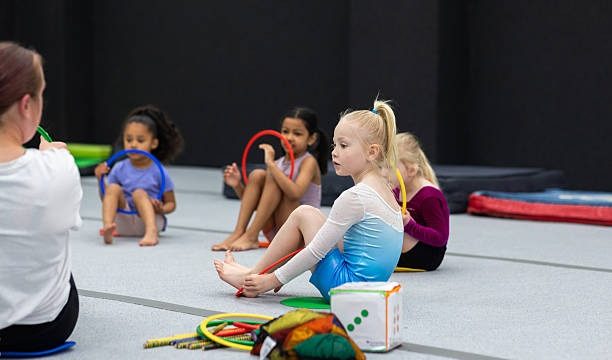
In recent years, education has gradually shifted toward a more student-centered approach, embracing the idea that learning should be tailored to the individual needs and experiences of each student.
This transformation is not just a trend but a necessary evolution that recognizes the diverse ways in which students engage with content and demonstrate their understanding.
One key aspect of this approach is formative assessment, a powerful tool that can enhance the learning experience and foster a deeper connection between students and their education.
The essence of student-centered learning lies in its focus on the learner. It encourages students to take ownership of their educational journey, promoting active participation and collaboration. In this environment, teachers become facilitators, guiding students as they explore ideas, ask questions, and reflect on their learning. This shift can feel like a breath of fresh air, moving away from traditional methods that often prioritize rote memorization and standardized testing.
Creating a supportive atmosphere is crucial for student-centered learning to thrive. This means fostering an environment where students feel safe to express their thoughts and opinions, knowing that their contributions are valued. When students are encouraged to share their perspectives, they become more invested in their learning, leading to a richer educational experience. Teachers play a vital role in nurturing this environment, using their intuition and understanding of each student’s unique background to create a space where everyone can flourish.
Formative assessment complements this approach beautifully. Unlike summative assessments, which often focus on measuring what students have learned at the end of a unit or course, formative assessments are ongoing and designed to provide feedback during the learning process. This feedback is not about assigning grades; rather, it’s about understanding where students are in their learning journey and how they can improve. It’s a gentle nudge toward growth, encouraging students to reflect on their progress and set goals for themselves.
Integrating formative assessment into a student-centered framework invites a more holistic view of learning. Students are encouraged to engage in self-assessment, reflecting on their understanding and identifying areas for improvement. This reflective practice empowers them to take charge of their learning, fostering a sense of responsibility and independence. When students are active participants in their assessment, they become more aware of their strengths and weaknesses, paving the way for personal growth.
One of the most beautiful aspects of formative assessment is its adaptability. It can take many forms, from informal check-ins and discussions to quick writing exercises or peer assessments. This flexibility allows educators to tailor their approaches to the needs of their students, ensuring that everyone can engage meaningfully with the material. By incorporating various assessment methods, teachers can gather insights into student understanding and adjust their instruction accordingly, creating a responsive learning environment.
As educators embrace this approach, it’s essential to prioritize communication. Open dialogue between students and teachers is vital for fostering a sense of trust and collaboration. When students feel comfortable discussing their thoughts and challenges, they are more likely to seek help when needed. This connection not only enhances the learning experience but also builds a supportive classroom community where everyone feels valued.
A small shift toward balance can also be beneficial in this context. While formative assessment is a valuable tool, it’s important to strike a balance between assessment and instruction. When students are inundated with constant assessments, it can lead to feelings of stress and anxiety. Encouraging a culture of feedback, rather than evaluation, can alleviate some of this pressure. By framing assessments as opportunities for growth rather than judgment, students can approach their learning with a more positive mindset.
Incorporating technology into formative assessment can further enrich the student-centered learning experience. Digital tools can provide immediate feedback, allowing students to engage with the material in real-time. Online platforms can facilitate peer collaboration and communication, fostering a sense of community even in virtual settings. This blend of technology and formative assessment creates an interactive learning environment that resonates with today’s learners.
As we explore the benefits of student-centered learning and formative assessment, it’s important to recognize that this journey is not a one-size-fits-all approach. Each classroom is unique, with its own dynamics and challenges. Educators must be willing to adapt their methods, reflecting on what works best for their students. This flexibility is key to creating an inclusive learning environment where every student can thrive.
Ultimately, the goal of student-centered learning with formative assessment is to cultivate a love for learning. When students feel engaged and supported, they are more likely to develop a lifelong passion for knowledge. This approach not only prepares them for academic success but also equips them with essential skills for navigating the complexities of life beyond the classroom.
In conclusion, student-centered learning and formative assessment offer a harmonious blend of teaching and learning that prioritizes the needs of the student. By creating a supportive environment, fostering open communication, and embracing flexibility, educators can guide their students on a meaningful journey of discovery. This approach not only enriches the educational experience but also nurtures the next generation of curious, engaged learners, ready to embrace the world with open arms.