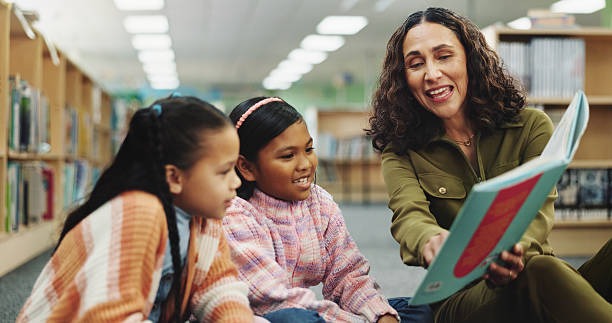
In a world that often feels fast-paced and overwhelming, finding ways to incorporate play into our daily lives can be a delightful remedy.
Playful learning games not only engage our minds but also foster growth, creativity, and connection.
Whether you’re a parent looking to enrich your child’s experience or an adult wanting to tap into your inner child, these games can transform everyday moments into opportunities for learning and joy.
The essence of playful learning lies in its ability to blend enjoyment with education. It encourages curiosity and exploration while creating a relaxed atmosphere where mistakes are seen as stepping stones rather than setbacks. The beauty of this approach is that it can be seamlessly woven into our routines, making growth feel less like a task and more like a natural part of life.
Exploring the world around us can be an adventure filled with discovery. Simple scavenger hunts can spark curiosity in both children and adults alike. Imagine setting out on a walk in your neighborhood or a local park with a list of items to find—perhaps a specific leaf, a bird, or an interesting rock. As you search, you not only engage with your surroundings but also enhance observational skills and foster a sense of wonder. This activity can easily be adapted for different age groups; for younger children, you can focus on colors and shapes, while older participants can delve into the scientific names of plants or the habits of local wildlife.
Creating stories together is another wonderful way to harness playful learning. This can be done through storytelling games where each person adds a line or a sentence, building on what the previous person has said. This not only enhances creativity but also strengthens communication skills and encourages active listening. The stories can take wild turns, leading to laughter and unexpected twists, which is often the most enjoyable part of the experience. It’s a fantastic way to bond, as families or friends share their imaginative worlds.
Incorporating movement into learning can also be incredibly beneficial. Think of simple games like charades or freeze dance. These activities not only get everyone moving but also stimulate cognitive functions and social interaction. Charades encourages non-verbal communication and critical thinking, while freeze dance can help with rhythm and physical coordination. Both games can be played with minimal setup and can be adapted to suit the ages and interests of the participants, making them a versatile choice for any gathering.
As we consider the importance of balance in our lives, it’s essential to remember that learning doesn’t have to happen in a structured environment. Daily conversations can be transformed into playful exchanges. For instance, during family meals, you might introduce a “question of the day” where everyone takes turns answering thought-provoking or silly questions. This not only promotes critical thinking but also deepens connections and understanding among family members. It’s amazing how a little creativity can turn routine moments into meaningful experiences.
Engaging with nature can be another enriching avenue for playful learning. Nature walks can be transformed into interactive lessons when incorporating elements like identifying plants or tracking animal footprints. This not only nurtures an appreciation for the environment but also opens doors to discussions about ecosystems, biology, and conservation. Children and adults alike can benefit from these interactions, as they instill a sense of responsibility toward the world around us.
Art can also serve as a powerful medium for playful learning. Setting aside time for creative projects, whether through painting, crafting, or even cooking, allows for exploration and expression. The process of creating something new encourages experimentation and can lead to important discussions about concepts like color theory, texture, and even cultural significance. Sharing these artistic moments with others fosters collaboration and can be a wonderful way to connect with friends or family.
In our increasingly digital world, integrating technology into playful learning can also enhance engagement. Interactive apps and online games can provide educational content in a fun and appealing format. However, it’s crucial to strike a balance between screen time and hands-on activities. Encouraging breaks from technology to engage in physical play or creative pursuits can help maintain that equilibrium while still benefiting from the learning opportunities that digital platforms offer.
As we navigate the complexities of life, it’s essential to remember that learning does not have to be confined to traditional settings. Embracing playful learning at home or in the community can cultivate a lifelong love for discovery. By creating an environment that values curiosity and creativity, we not only support our growth but also inspire those around us to do the same.
In conclusion, playful learning games are a gentle reminder that growth can be fun and fulfilling. Whether through scavenger hunts, storytelling, movement, or creative expression, these activities enrich our lives and foster connections. By integrating play into our everyday routines, we can nurture curiosity and creativity, paving the way for personal growth and shared joy. Let’s embrace the playful moments that life offers and encourage ourselves and others to learn and grow in the most delightful ways.